
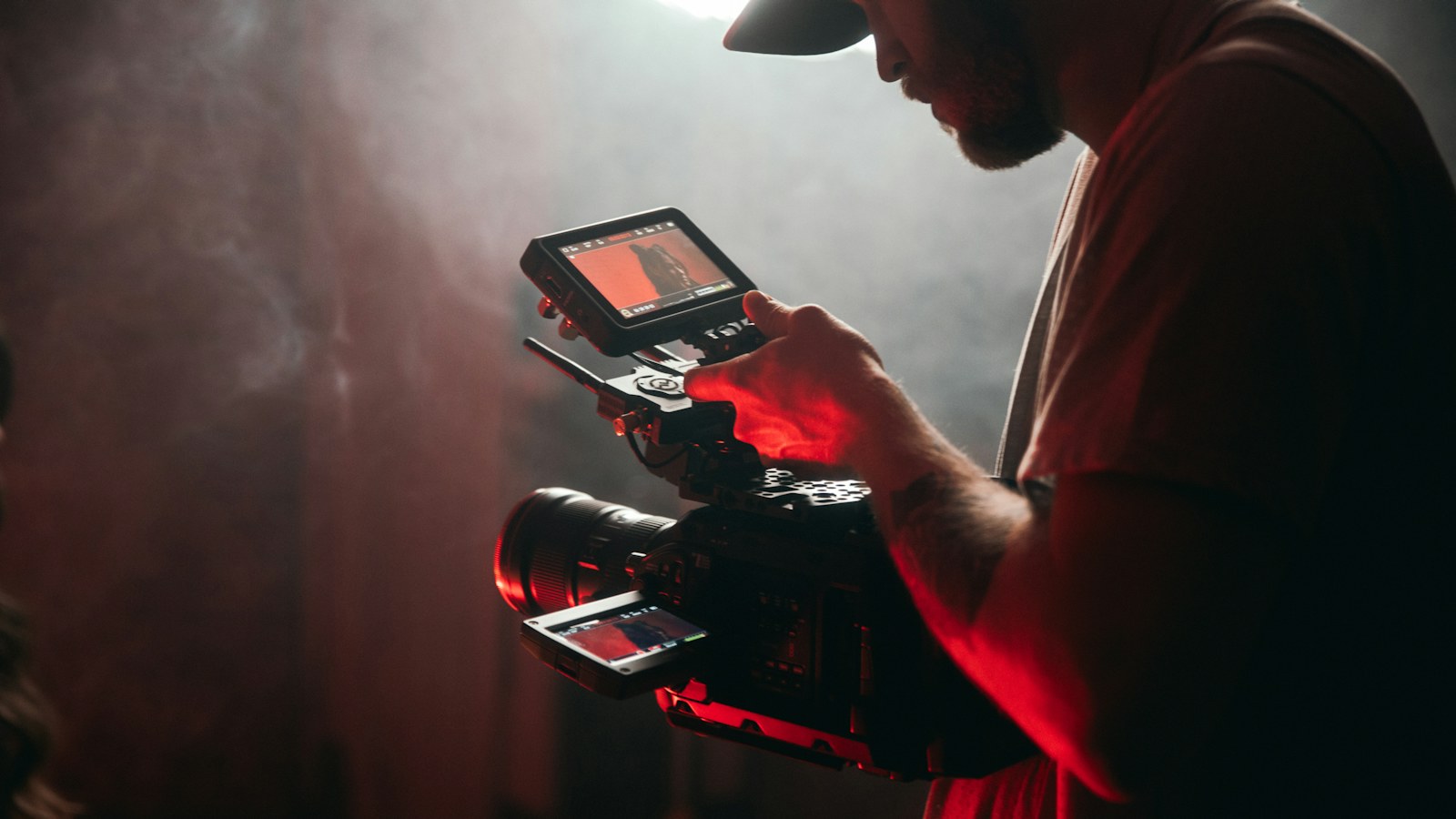
Social media video production works best when each clip has a clear point and the shoot is designed around the final outputs. A coordinated production in Cyprus can create reels, shorts, demonstrations and interview excerpts for a business. The goal is a useful set of stories your team can publish with a purpose.
Give every short video a specific job
A clip can answer a customer question, introduce a product, demonstrate a feature or show a moment from the business. Trying to do all four at once usually makes the message harder to follow. Write one sentence describing what the viewer should understand by the end.
For a property business, that could be an explanation of one room’s layout. For a hospitality brand, it could be the preparation of a signature dish. For a technology company, it could be one task inside a product. The principle travels across industries: choose a manageable idea and give it a clear visual treatment.
Build a set of topics before writing individual scripts
Collect the questions your customers ask and the subjects your team can explain with confidence. Group them into a small number of repeatable themes, such as product knowledge, people, process and practical advice. Then choose the topics that match the next campaign or business priority.
Distinguish evergreen content from announcements. An explanation can stay useful over time, while a launch date or offer needs a defined release window. Mark time-sensitive wording in the brief so the editor and publishing team know which versions need review before reuse.
- Question-led: one direct answer from a knowledgeable person.
- Demonstration: a process or feature shown clearly.
- Behind the scenes: a meaningful part of how the business works.
- Project-led: a finished piece of work and the story behind it.
- Campaign-led: a focused message linked to an agreed next step.
Plan vertical framing during production
A vertical edit needs room for the subject, the relevant action and any captions or graphics. It may need a separate composition from a landscape film. If a wide scene relies on people standing far apart, cropping the centre can remove the relationship that makes the shot useful.
Agree which versions need dedicated vertical filming and which can share footage. Review how text will sit with the platform’s interface, using the publishing team’s current placement specifications. Keep important information readable and check the final file in its intended context rather than assuming every placement displays it in the same way.
Multians’ social content creation service includes short-form concepts, vertical filming, interviews, demonstrations, captions and agreed campaign versions. The number of finished edits depends on the subject matter, filming requirements and scope.
Capture an opening that tells people why to watch
The opening should make the subject understandable. A clear question, an interesting action or a specific visual can establish the point quickly. Avoid spending the opening on a long introduction before explaining what the clip offers.
Record a few purposeful alternatives when useful: a question-led introduction, a direct statement or a visual opening with supporting narration. The alternatives should express the same approved message. They give the editor options without turning the shoot into an endless collection of unrelated hooks.
Give the ending an equally clear job. It might invite someone to view a project, learn more about a service or speak to the team. Match the action to the content and the destination available.
Batch the shoot without making every clip look identical
Group filming by location, setup and participant to reduce unnecessary changes. Within that structure, vary the shots and storytelling where it helps: an explanation to camera, a demonstration, a detail sequence or a short exchange between people.
Prepare products, props and approved talking points in advance. Record clean sound and enough supporting footage for each topic. An interview excerpt needs context; the additional images should explain the answer rather than cover edits with unrelated scenes.
If the production also includes a main brand film or property tour, protect time for the social stories. Our guide to real estate content plans shows how a property business can coordinate those outputs.
Agree the delivery and publishing responsibilities
Specify the number of videos, expected lengths, aspect ratios, caption style, language versions and review process. Confirm whether you need clean versions as well as captioned versions, and who supplies or approves translations. Music, graphics and other assets should fit the intended use.
Content production and publishing are responsibilities to allocate. Decide who writes post copy, schedules releases, manages paid promotion and answers comments or enquiries. This makes the production proposal easier to assess and gives every finished file an owner.
Use performance to improve the next production
Review which topics people watch, save or use as a route to relevant information. Pair viewing behaviour with the actual business objective: enquiries, visits to a project page or questions from prospects. A popular clip and a useful sales asset may serve different purposes.
Multians works across brand campaigns, property, events and interviews, with social and short-form work in its portfolio. Discuss a social video shoot in Cyprus with the team by sharing your audience, priority topics, intended channels and required outputs.
Cover photograph: Kyle Loftus / Unsplash. Illustrative stock image.