
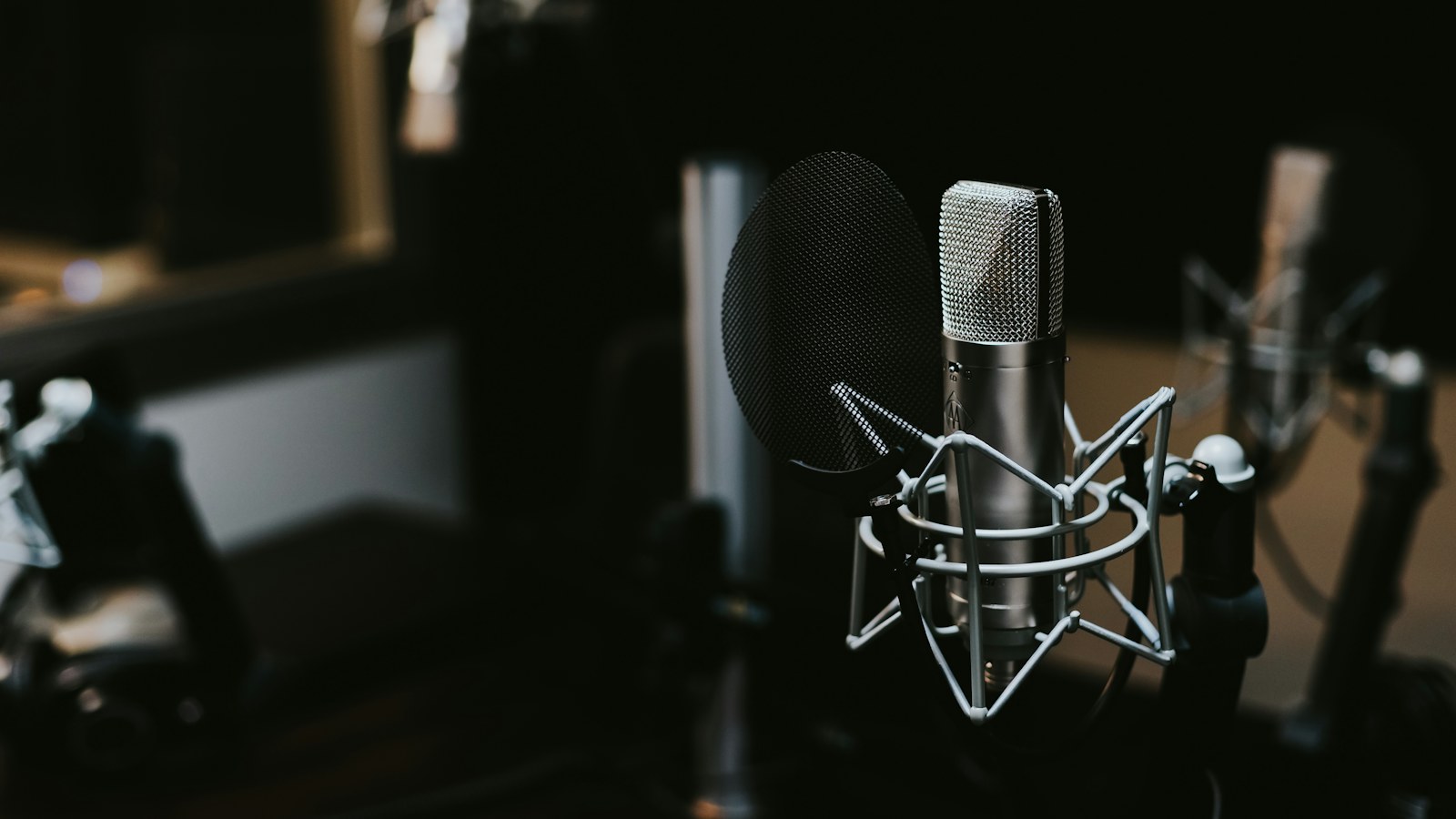
Podcast and interview production brings preparation, sound, lighting, filming and editing around a conversation worth hearing. For a business in Cyprus, the format can introduce a founder, explain an unfamiliar subject or give customers a voice. Decide what listeners should learn and how the recording will be used before choosing the setup.
Choose a conversation people have a reason to follow
A business podcast needs an editorial purpose beyond giving the company more time on screen. Identify the audience and the subject that matters to them. A property professional might explain a development process; a founder might discuss a real business decision; a customer might describe their experience in specific terms.
Use that purpose to choose guests and questions. A recurring series needs enough depth for future episodes and someone responsible for its direction. A single interview can be more focused, with a clear beginning, a useful explanation and a considered conclusion.
Decide whether you need a podcast, an interview or both
A podcast episode often allows a subject to develop through a longer exchange. A filmed interview may be shaped into a shorter story for a website, campaign or presentation. The recording can support both when the brief accounts for the different outputs.
Multians’ podcast and interview production service covers episode planning, camera, lighting and sound recording, full-length editing and agreed excerpts. Confirm the format, number of speakers and expected recording length so the team can recommend an appropriate approach.
Prepare guests without scripting away the conversation
Share the purpose, broad topics and practical arrangements in advance. Help guests understand who will be watching and the level of detail that will be useful. Ask them to bring real examples, accurate facts and any material that needs checking before publication.
Build a question route rather than a list of unrelated prompts. Move from context to a specific situation, then explore what happened and what the audience can learn. Follow-up questions often produce the clearest explanations: “Can you give an example?” or “What did that change in practice?”
For a short interview edit, ask for answers that include the context of the question. That makes excerpts easier to understand when the interviewer’s voice is removed. Leave space between answers and allow people to restate an important point naturally.
Choose the recording environment around sound and comfort
A quiet, controlled location helps everyone concentrate. Listen for air conditioning, traffic, other conversations and reverberation before committing to a room. An attractive background does not compensate for a conversation that is difficult to hear.
Consider seating, eyelines, microphone placement, lighting and the number of camera angles. A two-person discussion needs an arrangement that feels natural while giving the editor useful coverage. Allow setup and testing time before the guests’ recording slot.
Multians’ sister company, LCA Studios in Larnaca, offers a photo and film space with a sound-isolated podcast room. Discuss the appropriate location with the production team. Hiring a space and commissioning a fully produced episode are different scopes to clarify in the proposal.
Plan the full episode and the excerpts together
Short clips should make sense to someone who has not watched the episode. Identify topics likely to stand on their own and record enough context around each answer. A clear question and a specific response usually create a stronger excerpt than a dramatic sentence taken out of context.
- Main output: the agreed full episode or interview film.
- Focused excerpts: selected answers with an understandable beginning and ending.
- Vertical versions: compositions designed for the people and captions in frame.
- Supporting assets: agreed stills, titles or introductory graphics.
- Text outputs: captions or a transcript where included, with names and technical terms checked.
The number of clips depends on the conversation and the agreed editing scope. A longer recording does not automatically produce more clear, self-contained stories.
Agree the editorial review
Set responsibilities for factual checking, names, job titles and material that may be confidential. If a guest discusses a client, project or product figure, establish what is approved for release. Decide who reviews the first edit and how feedback will be consolidated.
Specify the required language and caption treatment. Automatic transcripts can be a starting point, but names, local places and specialist vocabulary need checking. If translated versions are required, identify the reviewer who can approve the meaning as well as the spelling.
Make the series sustainable
For a recurring show, prepare a small editorial plan with the next topics, guests, recording dates and publishing responsibilities. Keep visual and audio treatments consistent so each episode belongs to the same series. Confirm how introductions, end cards and music will be used across future releases.
Review whether the audience finds the subjects useful and which questions remain unanswered. The next episode should earn its place in the series through the value of the conversation.
Explore Multians’ interview and podcast work, then contact the team with your audience, topics, speakers and intended outputs. If excerpts are central to the plan, our social video guide explains how to brief those versions.
Cover photograph: Jonathan Velasquez / Unsplash. Illustrative stock image.