
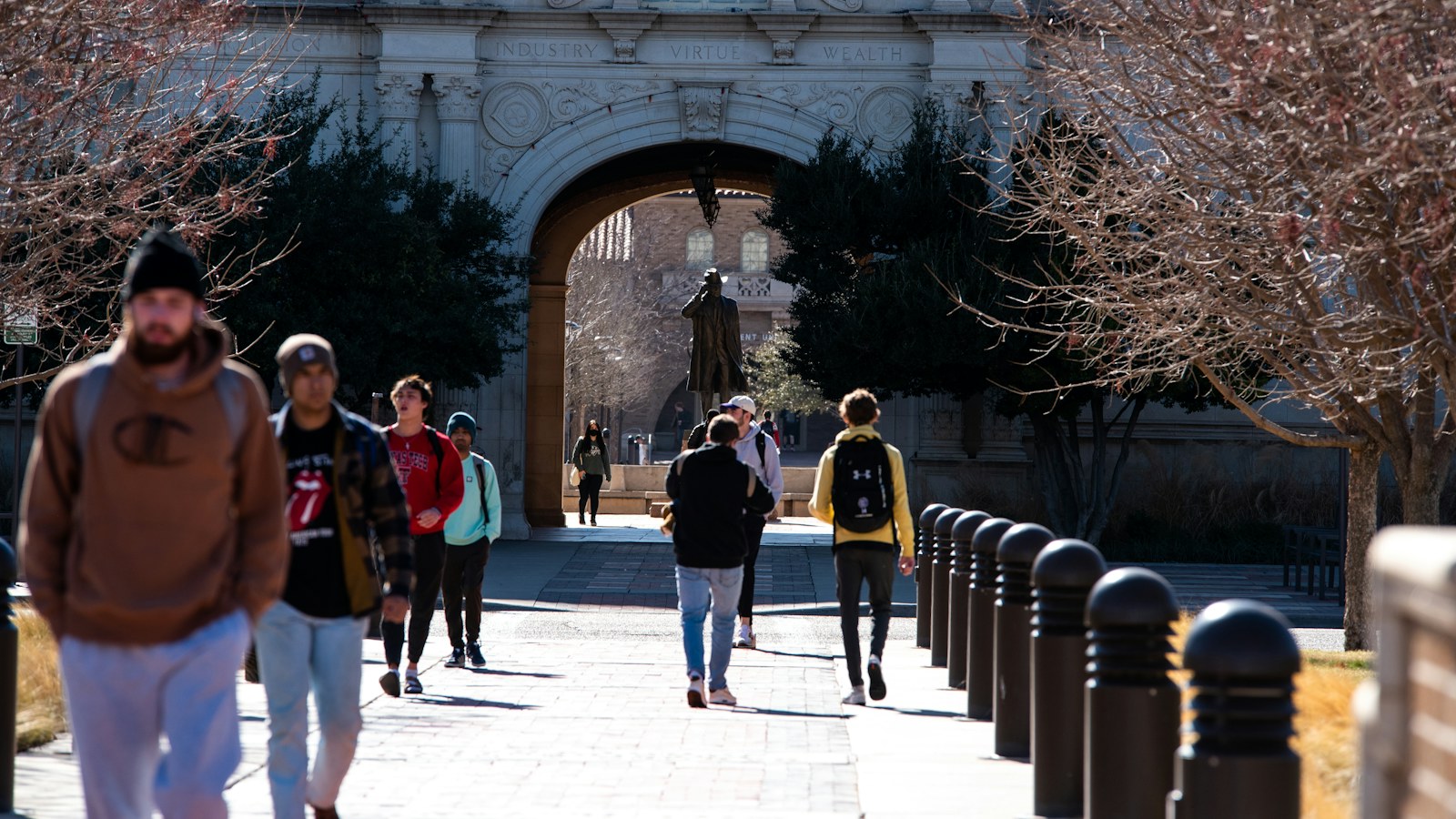
Education video production can help a school or university explain its environment, people and approach to learning. In Cyprus, the audience may include local families, prospective international students, alumni or event visitors. A useful film answers the questions that matter to that audience through real places and people.
Choose the audience and the decision
A family exploring a school needs different context from a student comparing a university programme. An open-day visitor may want to understand the setting before arriving, while an alumnus may be interested in the community and its development.
Give the main film a defined purpose. It might introduce the institution, explain one programme, show the campus experience or document an event. Connected films can address other questions without forcing every message into a single introduction.
Show the learning experience through specific scenes
Choose activities that demonstrate the institution’s actual approach and facilities. A practical session, a considered classroom interaction or a student explaining a project can reveal more than a list of broad educational values.
Work with the institution to identify suitable classes, spaces and participants. Plan the filming around what can be shown clearly and appropriately. The production should reflect the actual setting rather than stage an experience that the audience will not find there.
- Campus context: the spaces and connections relevant to the intended audience.
- Learning activities: selected examples that make the offering tangible.
- Student perspectives: individual experiences with enough context to understand them.
- Staff explanations: clear answers from people responsible for the subject.
- Community and events: the moments that show how people participate.
Prepare interviews with a clear question
A student interview can explore a project, an experience or a choice. A staff member can explain a teaching approach or a programme feature. Ask for examples that help the audience understand what the speaker means.
Share topics and practical arrangements in advance. Give participants time to settle and make the recording environment comfortable. Check names, roles, course titles and any other information used in captions. If the film serves an international audience, agree the language and caption requirements before filming.
Multians’ interview production covers planning, camera, lighting, sound and agreed final edits. The wider interview guide explains how full conversations and shorter excerpts can be planned together.
Coordinate the shoot with the institution’s routines
Share the timetable, available spaces, event programme and any access restrictions. Nominate one institutional contact who can confirm locations, introduce contributors and resolve schedule changes. Allow time to prepare classrooms or other settings without disrupting essential activity.
Follow the institution’s process for participant permissions, appropriate filming areas and review. Identify who can appear, which material can be recorded and what the finished content may show. Keep those arrangements clear for staff, the production team and any contributors involved.
For open days or ceremonies, mark the essential moments in the programme. Interviews and session recordings require their own sound and coverage plans alongside the general atmosphere footage.
Use a format that suits the message
A brand or admissions campaign may need a creative concept and a concise main film. A programme explanation may benefit from a knowledgeable speaker and relevant activity footage. An event film can capture the character of a particular day, with selected clips for later communications.
Multians connects brand campaigns, event coverage, photography and social production. Agree which formats are required so the crew and schedule match the actual outputs.
Look at relevant education work
The Multians portfolio includes a UCLan Cyprus commercial, student and alumni interviews, and an open-day event film. These offer different reference points for campaign storytelling, personal perspectives and event coverage.
Use those examples to discuss what your own institution needs to communicate. An admissions introduction, a student story and an event recap can share a visual identity while serving different audiences and stages of interest.
Prepare the versions and review before release
Specify the main film, shorter edits, captions, orientations and languages. Confirm who checks institutional information and who approves the creative treatment. Give changeable details, such as an event date or application period, a clear place in the version plan.
Organise final assets by programme, topic or event so the communications team can find and reuse the relevant material. Review time-sensitive information before republishing older content.
For school or university video production in Cyprus, share your institution, audience, communication goal and available filming dates with Multians. The team can shape a production around the people and experiences you want to bring into focus.
Cover photograph: Brelyn Bashrum / Unsplash. Illustrative stock image.