
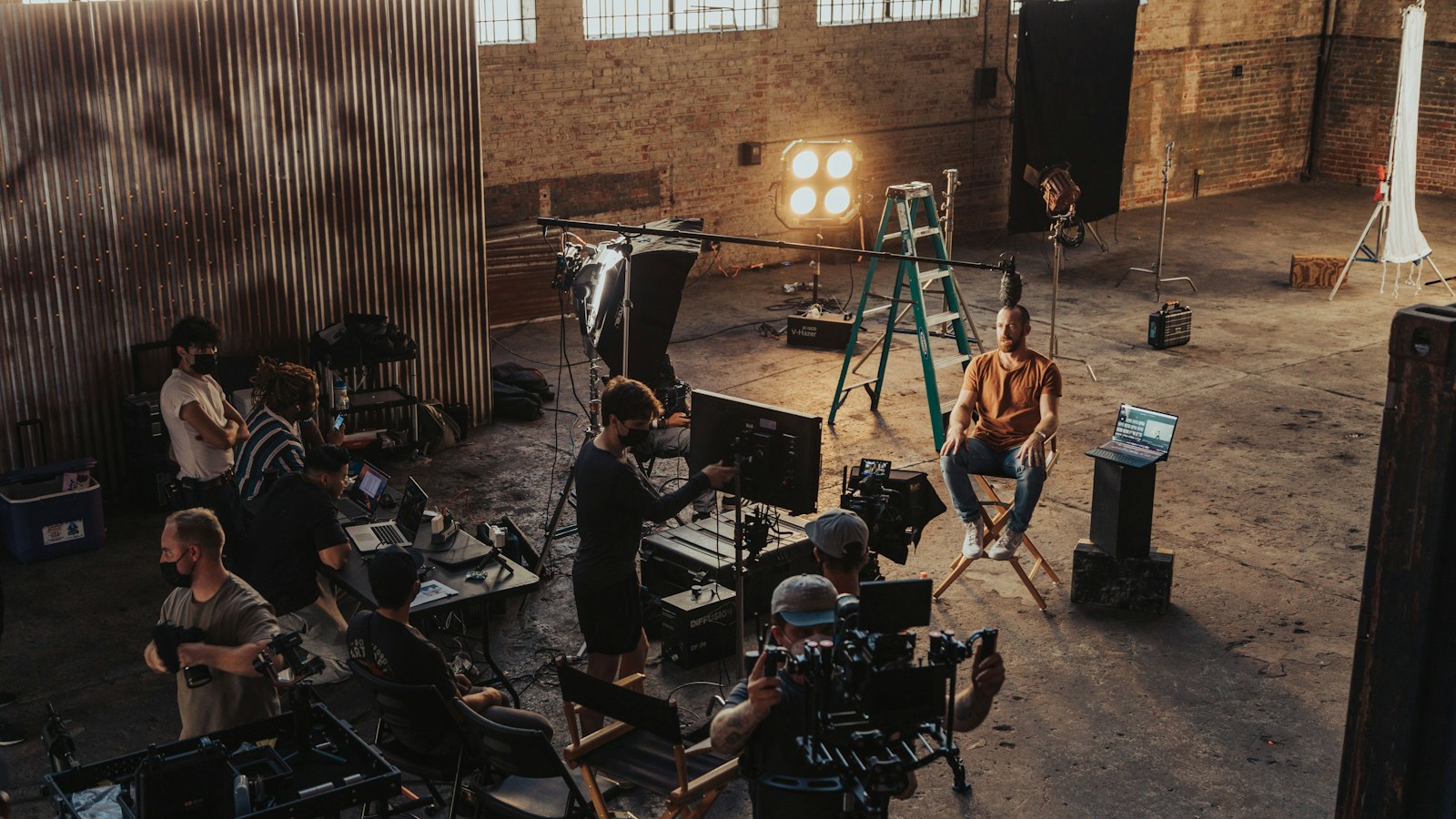
A brand film gives a company a clear introduction through its people, work and point of view. In Cyprus, it can help a local business explain itself to an unfamiliar international audience or give an established organisation a fresh way to tell its story. The useful starting point is one idea the audience should remember.
Find the story behind the company description
“Quality, innovation and service” could describe thousands of companies. A film needs something that can be demonstrated: how a team approaches a difficult task, why a product was created or what a business has learned through its work. Specific scenes and examples give broad statements substance.
Start a discovery conversation with questions that reveal choices. What do customers struggle to understand? What does the company do carefully that people never see? Which project best represents its approach? The answers can shape an idea with enough character to hold a film together.
Decide where the brand film will work hardest
A film opening a conference presentation has a different job from a website introduction or a paid social advertisement. Agree the main viewing context and action. That decision influences how quickly the company is introduced, how much explanation is needed and how the ending works.
Multians’ brand films and commercials service connects concept development, scripting, production and post-production. The format should follow the communication problem. A company history, a campaign commercial and a founder-led introduction can share a brand identity while requiring different stories.
Build the concept around evidence you can film
Once the central idea is clear, identify the scenes that make it visible. A business built around craftsmanship might show decisions and working details. A service company might focus on a real process and the people responsible for it. A developer might connect a company viewpoint with completed places and the people who shape them.
- People: who can explain or embody the story?
- Places: which locations reveal something specific about the business?
- Actions: what can the audience see happening?
- Proof: which approved facts, projects or experiences support the message?
- Tone: should the piece feel warm, direct, playful, precise or reflective?
Use references to discuss the treatment, rather than copying another company’s identity. Explain whether you like a reference’s pace, interview style, lighting, humour or sound. That makes creative decisions more precise.
Prepare the people and the production
Agree who appears on camera and what they need to communicate. Employees and founders often sound more natural when they understand the topic and speak in their own language. A scripted commercial may require a different approach, with directed performances and carefully planned scenes.
Confirm locations, availability, wardrobe, products and brand materials before filming. If the story needs customers or external contributors, resolve their participation and intended use early. A location visit can help assess sound, access, backgrounds and the practical movement of the crew.
The production schedule should protect the important material. An interview needs a comfortable setup and clean sound; a detailed process scene needs enough time for the action to be understood. Adding more locations can reduce the time available to make each scene work.
Make the edit part of the idea
The final shape comes from how the scenes, voices, graphics and sound work together. Editing determines the order of information; colour and sound help the material feel coherent. Motion graphics can clarify a message or support the identity where they have a defined role.
Agree review stages before the first cut. Identify who checks brand accuracy, factual statements and the overall creative direction. Consolidated feedback gives the editor a clear response and makes it easier to distinguish factual corrections from changes to an already approved concept.
If you already have footage, share a representative sample before deciding the scope. Video editing and animation can support existing material, but its quality, coverage and usage permissions influence what the new film can become.
Turn the main film into a coordinated campaign
Identify supporting outputs while planning the shoot. These might include a shorter introduction, a focused interview excerpt, vertical social stories and selected photographs. Each version needs enough context to work where it will appear. A shorter running time alone does not make a film suitable for every channel.
Keep changeable information separate where practical, particularly time-sensitive offers or event dates. Decide whether later versions will use new end cards, alternative openings or additional scenes. Our social video production guide explains how to plan these focused stories.
Explore actual company storytelling
The Multians portfolio includes Karma Group’s 40 years of Karma, Square One brand films and a UCLan Cyprus commercial. These provide different references for company identity, property storytelling and campaign production. Choose a reference for the aspect it demonstrates, then develop a concept suited to your own business.
For brand film production in Cyprus, send Multians a short introduction to your audience, message, intended channels and timing. The team can help turn that starting point into a practical creative and production brief.
Cover photograph: Jakob Owens / Unsplash. Illustrative stock image.