
Construction progress videos document how a development changes and explain what each milestone means. For a property business in Cyprus, a planned series can support project updates, launch communications and the eventual handover story. Consistent viewpoints, accurate dates and a clear editorial purpose make the material more useful than a collection of disconnected site clips.
Decide who the progress update is for
A buyer update, a company announcement and an internal project record need different information. Buyers may want to understand which spaces are taking shape. A developer’s brand audience may be interested in the people and design behind the project. An internal record may require specific views that would add little to a public film.
Define the audience before the first visit. Identify the project information that can be shared publicly and the person who approves it. The production team can then record the right coverage without treating every technical detail as a marketing message.
Build a milestone plan around meaningful change
Choose filming points according to what the audience will be able to see and understand. Examples could include the emergence of the structure, the first completed interior, landscape work or a finished show space. These are planning examples; the appropriate milestones depend on the actual programme and access.
Ask the project team which changes will be visually significant and when areas are expected to be available. Regular visits can create continuity, while milestone-led visits concentrate coverage around important developments. Agree the approach and how changes to the construction programme will be communicated.
- Establishing views: repeatable perspectives showing the development as a whole.
- Milestone details: the work that makes this update different from the previous one.
- People and explanations: an approved comment from a project lead where it adds context.
- Supporting images: selected photographs for written updates and presentations.
- Delivery versions: the film, shorter edits and image outputs included for that visit.
Keep viewpoints and records consistent
A sequence becomes easier to follow when important views can be compared across visits. Record reference frames and the position of essential ground-level shots. Where aerial coverage is feasible, discuss which perspectives might help explain the development over time. Conditions and operational requirements still need reviewing for each proposed shoot.
Keep the capture date and location with the material. Label buildings, areas and units clearly so footage from different parts of a development is not confused. If a previous shot cannot be repeated because access or site conditions have changed, explain that to the editor rather than forcing a misleading comparison.
Multians can coordinate real estate video production, photography and appropriate aerial coverage around a development brief. Specialist long-term camera installations or other monitoring systems should be discussed as a separate requirement.
Plan filming around an active site
Agree access with the person responsible for the location. Share the areas available for filming, the planned activity and any site-specific arrangements the crew needs to follow. A production schedule must reflect the working site rather than assume a clean, unrestricted location.
Make the essential shots clear enough that the crew can prioritise them if the visit changes. Prepare the spokesperson and approved talking points before recording. If an interview needs intelligible speech, identify a suitable quieter location instead of relying on sound recorded beside active work.
Explain the milestone without promising the future
Describe what the footage actually shows and use current, approved project information for any dates or statements. Separate completed work from the next planned stage. If the film includes renders, make their relationship to the current site understandable.
A short project-lead explanation can help viewers understand why a milestone matters. For example, it can connect a newly visible space to an approved design feature. Keep captions specific and check names, dates and labels before publication.
For a launch combining construction footage and visualisations, our off-plan property film guide covers that distinction in more detail.
Create assets for the development’s later chapters
Organise the library by project, date and area. The same record may later support a completion film, a company presentation or a behind-the-project story. Those later edits still need a defined brief, but an organised archive gives the editor a clearer starting point.
Agree retention, file handover and the versions included in each visit. Keep public marketing edits separate from other site records so the right material reaches the right audience. The wider real estate content plan can connect progress updates with property tours, photography and interviews.
To discuss construction progress filming in Cyprus, send Multians the development location, programme and communication priorities. The team can help shape a production schedule around the milestones that are worth showing.
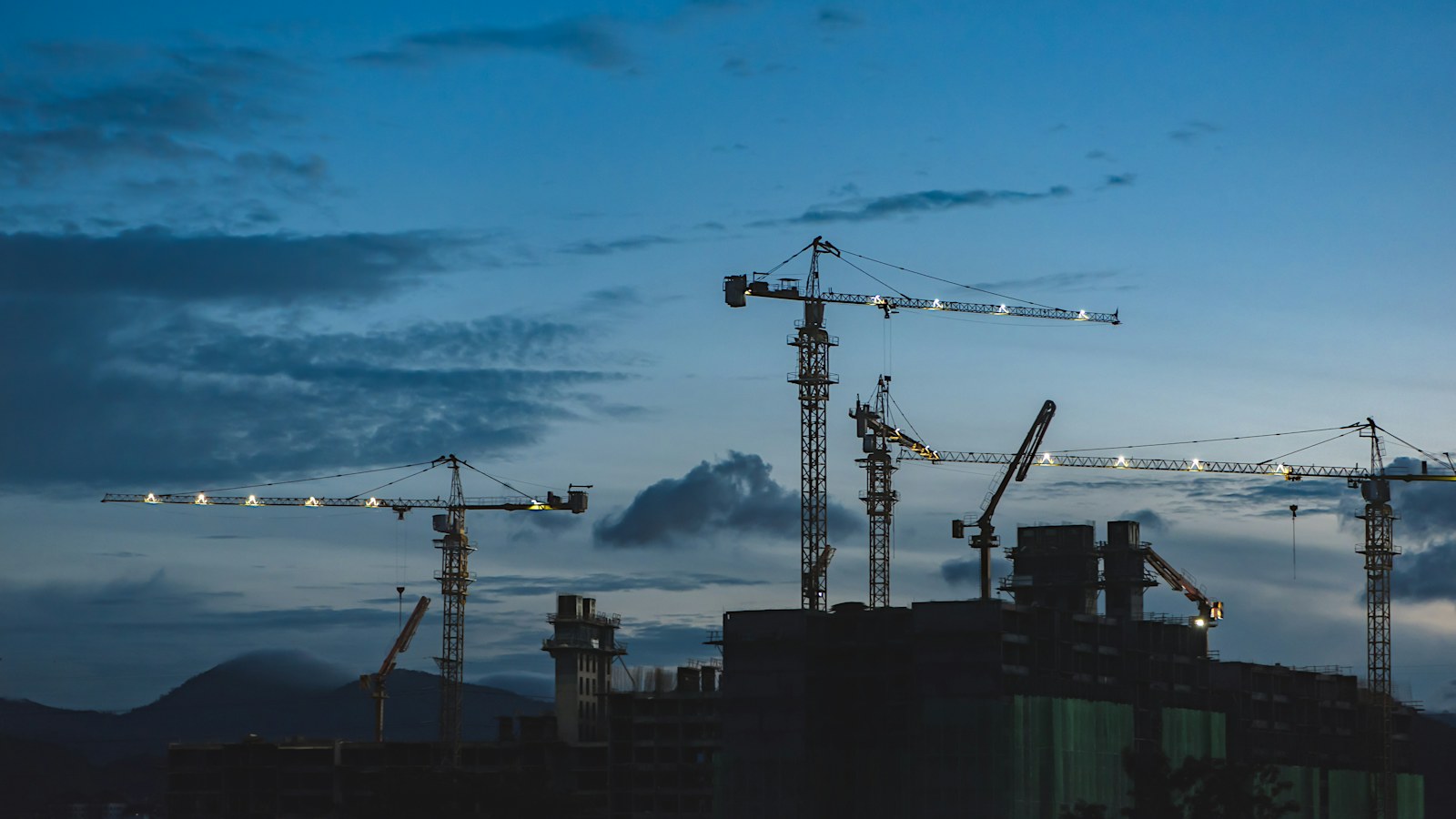
Cover photograph: EJ Yao / Unsplash. Illustrative stock image.