
Define the property story
Decide which audience the film is for and what matters to them. The story might focus on the layout, the location, the design or the experience of living there. Keep the brief tied to the actual property and the approved project information.
A presenter-led introduction, a visual tour and an off-plan launch film each need a different structure.
Prepare access and the spaces
Confirm which rooms and exterior areas are available, how the crew will enter and who will be on site. Plan cleaning, staging and the removal of items that should not appear on camera before the filming time begins.
Provide a floor plan and identify the essential spaces. If people will appear in the film, agree their role, wardrobe and schedule in advance.
Check every project detail
Give the team current, approved information for names, locations, features and any figures used in the script or graphics. For off-plan projects, identify which visuals are renders and which show completed construction.
Clear labels and accurate descriptions help viewers understand what they are seeing. Update the production team if the project information changes before release.
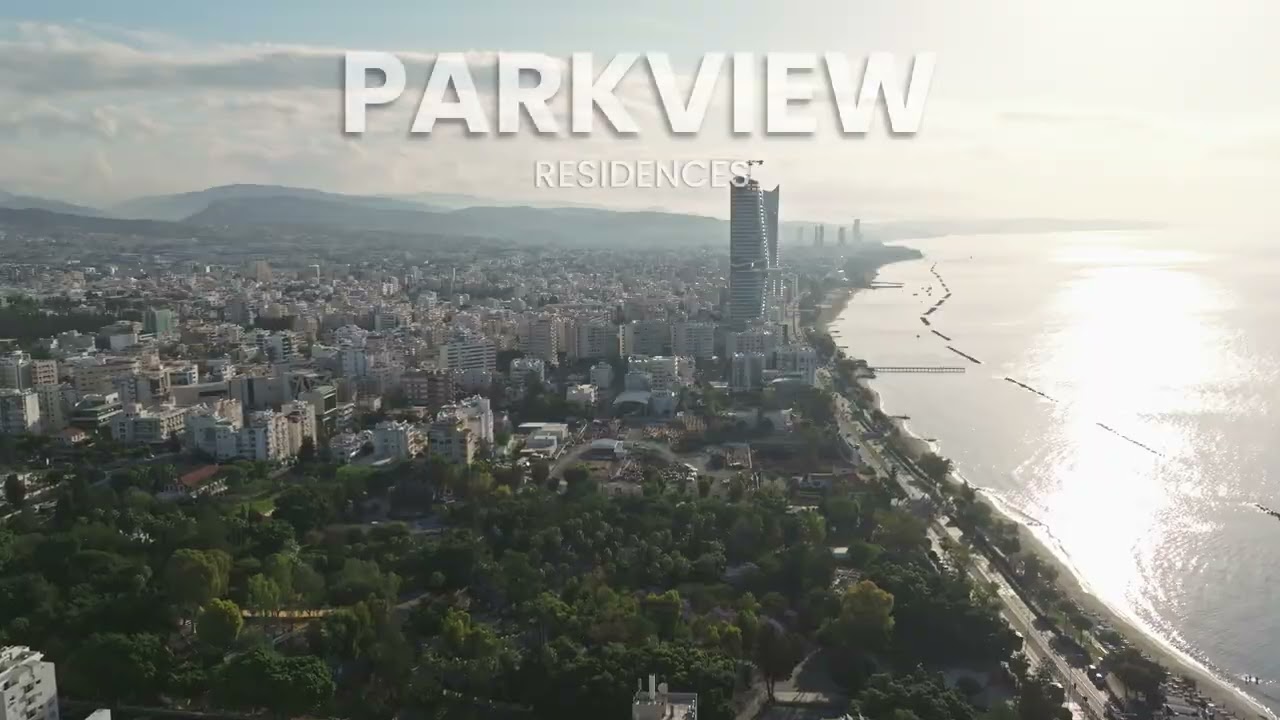
Plan location and aerial coverage
Share the exact location, proposed dates and the surrounding areas you want to show. Exterior light, access and weather can influence the filming plan. If aerial footage is part of the brief, its feasibility needs to be reviewed for the location and conditions.
Keep the essential story clear even if a planned exterior or aerial shot has to change.
Agree the final versions
Confirm where the film will be used: a property page, presentation, advertising campaign or social feed. Agree the main film and any shorter or vertical versions before shooting, together with captions, languages and review stages.
Our real estate video production service brings presenter-led films, property tours, off-plan launches and location footage into a coordinated brief.