
Real estate photography and video serve complementary purposes. Photographs let people inspect individual spaces at their own pace; a film shows how those spaces connect and feel in sequence. Planning both together gives a Cyprus property business a more useful collection for listings, development websites, presentations and social campaigns.
Decide what each medium needs to explain
A strong property library has a clear hierarchy. The lead photograph introduces the property; supporting images explain rooms, outdoor areas and distinctive details. The film adds a route through the space, a sense of scale and the relationship to the surroundings. Some scenes belong in both, but the compositions and time required will differ.
For an apartment, the key story could be the connection between the kitchen, living room and balcony. For a villa, it might be how the garden, pool and indoor spaces work together. For a commercial property, circulation, entrances and the practical use of the space may deserve more attention than decorative details.
Make the image list specific to the property
Start with the floor plan and the final uses. A listing gallery needs a coherent view of the rooms; a website banner may need a wide composition with clear space for text. A brochure cover, an agent’s presentation and a portrait social post each place different demands on the crop.
- Exterior establishing views: the building, entrance and outdoor areas relevant to the property.
- Main interior spaces: views that make the room layout understandable.
- Connections: doorways, transitions and indoor-outdoor relationships for the film.
- Materials and details: features that help explain the design or specification.
- Location context: the actual surroundings and relevant outlook.
- Alternative orientations: agreed landscape and vertical compositions for different placements.
Prioritise this list. A long list of near-identical angles can consume the time needed for the important photographs or a carefully filmed sequence.
Give photography and filming their own time
Sharing access, staging and location preparation can make a combined production practical. It does not make the two activities interchangeable. A still photograph may need a carefully arranged static frame; a moving shot needs a route, room for the camera and consistency throughout the movement.
Agree whether the scope needs separate operators and how the schedule will move through the property. Consider daylight direction, reflections, occupied rooms and any planned lifestyle scenes. If a presenter is involved, protect a quiet window for recording rather than fitting speech around unrelated activity.
Multians plans property and interior photography alongside real estate films where the brief calls for both. The crew and schedule should follow the required outputs.
Prepare the space before the crew arrives
Cleaning, styling and removing unwanted objects should happen before the shoot begins. Check windows, mirrors, light fittings and visible cables. Confirm which furnishings belong to the sale or rental and which are temporary styling. Give the crew a contact who can resolve access and practical questions.
For an occupied home, agree what can be moved and what should remain private. For a development, identify the show unit and any areas that are still under construction. Keep keys, access arrangements and approved filming areas clear for everyone involved.
A simple walkthrough with a phone can help communicate the property beforehand. Use it to flag narrow spaces, reflections or unfinished areas, rather than asking the crew to discover those constraints after arriving.
Keep the finished representation accurate
Discuss the retouching scope and the visual style before production. Colour and exposure should help viewers understand the space consistently across the gallery and film. Avoid edits that could misrepresent permanent features, the outlook or the condition of the property.
If the library includes architectural visualisations, keep them distinguishable from photographs of completed rooms. Do the same when combining current construction footage with future plans. A consistent style should improve presentation while preserving the differences buyers need to understand.
Deliver a library your team can find and reuse
Agree the number of selected photographs, retouching, image sizes, film versions and naming conventions. Request outputs suited to the actual platforms: web-ready images for pages, appropriate files for print where needed and separately composed social versions where included. Large original files and ready-to-publish files have different uses.
Organise assets by project and unit. Identify the leading image, the approved sequence and the versions intended for each channel. Keep an asset register with the capture date, property status and any limits agreed for use. Review changeable details before reusing older content.
Can one production support more than the listing?
Yes, when those uses are part of the plan. The same access can support a property tour, selected stills, detail-led social stories and a short agent explanation. Capturing those intentionally is more dependable than hoping the main film will contain every later requirement. Our real estate content plan guide explains how to coordinate the wider set.
Multians produces photography for brands, products, people and places as well as property films. Send the team your property details, floor plan, intended channels and required image and film outputs to start shaping a combined Cyprus production.
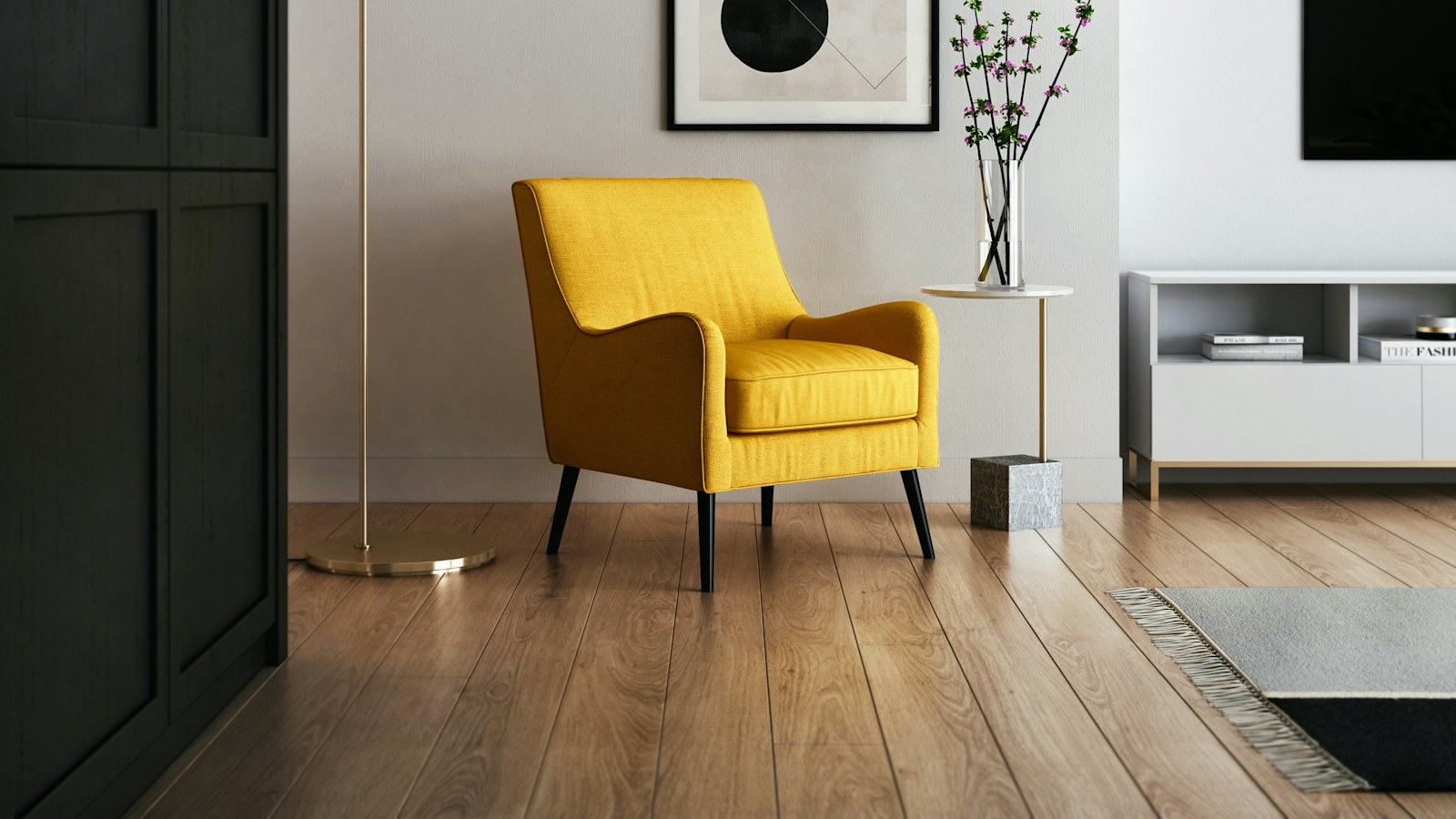
Cover photograph: Kam Idris / Unsplash. Illustrative stock image.