
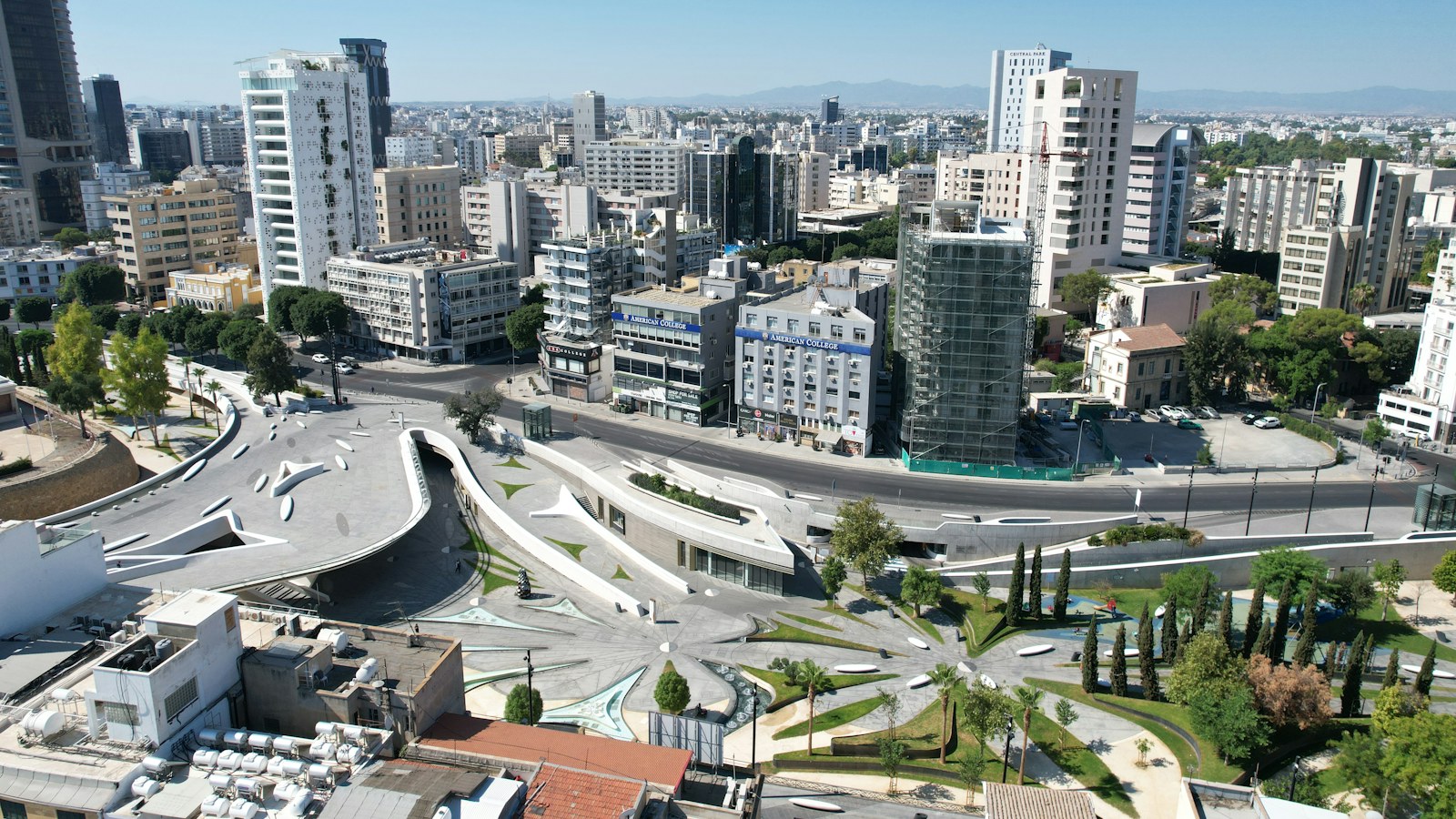
A property location video explains the setting around a home or development. For an overseas audience considering Cyprus, it can connect the building with the streets, surroundings and places that shape everyday life. The aim is to make the actual neighbourhood understandable before someone arranges a visit.
Start with what a remote viewer does not know
A local buyer may recognise a street name or the character of an area. An international viewer may not know where the project sits within the city, what the approach looks like or how the immediate surroundings feel. A location film should supply that missing context.
Ask the sales team which location questions recur. These might concern the entrance, the surrounding buildings, nearby public spaces or the relationship between the property and the coast. Choose information that is relevant to the actual project rather than producing a general tourism montage.
Show the route from area to property
A useful sequence can begin with the wider setting, move into the neighbourhood and finish at the building. Ground-level views make the approach more tangible: the street, the entrance and the transition into the property. An aerial perspective can help establish scale where the proposed operation is feasible.
The order should help the audience build a simple mental map. A series of disconnected landmarks may look attractive while leaving the project’s position unclear. Identify the relationship each shot needs to explain and connect it to the next part of the journey.
Multians plans property and development films with location footage and appropriate drone coverage. The brief should explain how the setting supports the property story.
Choose useful neighbourhood details
Different audiences will be interested in different aspects of a location. A city apartment, a family home and a hospitality-led development do not need the same film. Establish the intended audience before deciding which places to feature.
- The immediate street: the actual approach and surroundings of the property.
- Public spaces: nearby parks, promenades or squares that are relevant to the location.
- Everyday context: the places and connections your approved brief identifies as useful.
- The outlook: views from the actual property and the relationship to surrounding buildings.
- The building’s position: a clear connection between the wider area and the site.
Check access and filming arrangements for any private venue included in the shot list. Featuring a nearby business should not imply an affiliation or an exclusive benefit that does not exist.
Be precise about distance and the meaning of a view
Use verified information for maps, labels and distance statements. If a journey time appears, identify how it was assessed and describe its context. A claim about driving time should not be presented as a walking distance.
Show the outlook from a relevant viewpoint rather than allowing a wide coastal aerial to stand in for the view from a particular unit. If a location shot was captured elsewhere in the area, make the sequence clear enough that viewers can distinguish it from the property itself.
For off-plan work, separate the filmed surroundings from proposed buildings or amenities. Our off-plan video guide covers how actual footage and approved visualisations can work together.
Explain the location in language the audience can follow
Use place names consistently and check their pronunciation before recording a presenter or voice-over. A local reference may need a short explanation for someone unfamiliar with Cyprus. Keep maps readable and limit labels to the information the scene needs.
Decide how international audiences will receive the explanation. Clear English narration, translated captions or separate language versions are production choices to agree in advance. Have the relevant reviewer check translations of project and location information.
A presenter-led property film can connect the setting to a practical question. The person’s explanation should point viewers towards what the footage actually demonstrates.
Make the location film useful across the campaign
The main version may sit on a development page or in a sales presentation. Shorter edits can focus on one aspect of the setting, provided each has enough context to stand alone. Selected photographs can support the written project information where included in the production.
Keep evergreen area context separate from changeable sales details. Review older footage before reuse if the neighbourhood, access route or nearby construction has changed. A clear capture date and organised project library make that review easier.
What should you send with the brief?
Provide the exact site location, the audience, the places you want to explain and current approved project information. Share the recurring questions from international enquiries, the intended channels and any language requirements. Distinguish essential coverage from optional scenery.
Contact Multians to plan a location film in Cyprus that gives the neighbourhood a clear role in the property story.
Cover photograph: Athina Vrikki / Unsplash. Illustrative stock image.