
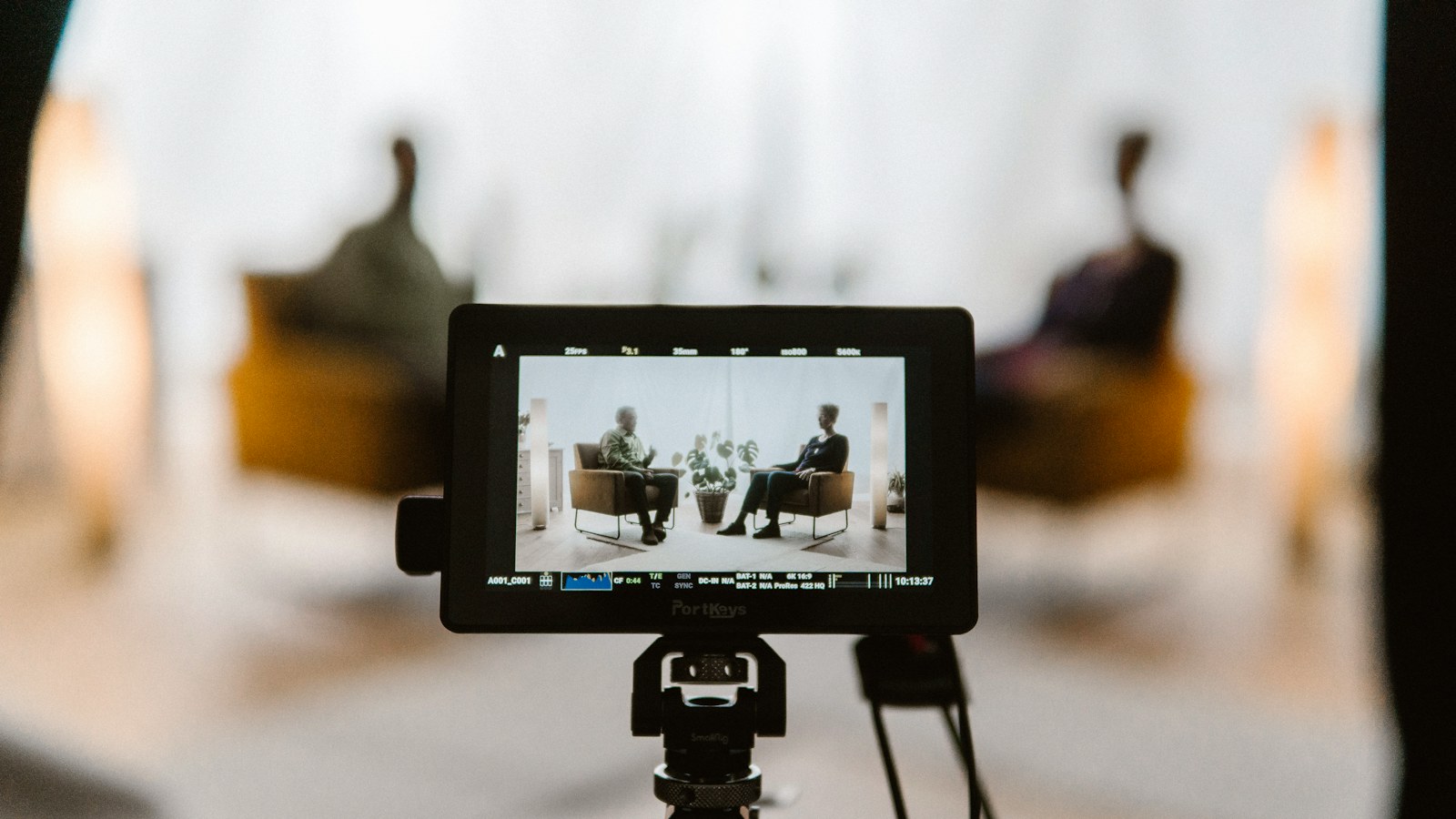
A presenter-led real estate video combines a person’s explanation with a considered view of the property. It can help a developer or agency in Cyprus make a layout, design idea or location easier to understand. The presenter gives the story a human guide; the footage needs to demonstrate the points they make.
Use a presenter where an explanation adds value
A visual tour can show the property beautifully, while a presenter can connect those images to a practical question. Why does the layout work the way it does? How are the indoor and outdoor areas connected? What should a viewer notice about the project’s design?
Choose the questions that benefit from a person’s knowledge. A presenter should help the audience understand something, rather than describe every object already visible on screen. The most useful talking points are specific to the actual project.
Choose the right person for the message
The spokesperson could be an agent, developer, project representative or a separately cast presenter. Consider what they need to know, how comfortable they are on camera and which language versions are required. A person close to the project may bring detailed knowledge; a professional presenter may offer a different performance approach.
Agree preparation and responsibilities. Who supplies the factual information? Who approves the wording? If casting, wardrobe, styling or additional language talent is needed, include it in the brief. Those decisions affect the production schedule and scope.
Multians’ real estate production service includes presenter-led property and development films. The portfolio includes Square One’s Sequoia Residences and presenter-led property content, which provide useful references for the format.
Write for a person speaking to another person
Use clear spoken language and short ideas. A sentence that reads well in a brochure can be awkward to deliver while walking through a space. Say the script aloud and remove phrases that sound formal, repetitive or difficult to pronounce.
Build a simple route through the explanation:
- Introduce the subject: name the property or development and orient the viewer.
- Choose a few meaningful points: explain the features that matter to the intended audience.
- Connect words and images: identify the rooms or details that demonstrate each point.
- Answer a practical question: give the viewer useful context beyond the visual tour.
- Close with a clear next step: invite them to explore the project information or contact the team.
This outline is a starting point, not a fixed script. A short social explanation may need only one feature and one next step. A development introduction can allow more room for context.
Decide when the presenter is on screen
The person does not need to appear continuously. An opening can establish who is speaking, while supporting footage shows the spaces they describe. Returning to the presenter can introduce a new part of the story or make the closing invitation feel personal.
Plan those transitions before filming. Capture enough relevant material to support the explanation: connections between rooms, viewpoints, features and the surrounding area where appropriate. Avoid covering a factual statement with attractive footage that shows a different property or an unrelated feature.
Give sound and movement a practical plan
A walk-and-talk sequence needs more coordination than a static explanation. The person, camera and sound setup must work together, with enough room for the movement. Rehearse the route and decide whether the explanation will be delivered while walking or recorded in separate sections.
Protect time for clear speech recording. Wind, traffic and site activity can affect what is usable. A quieter location or a different shooting order may serve the story better than insisting every line is delivered at the busiest point of the property.
Our property shoot preparation guide covers access, staging and the information to share before the day.
Plan versions that stand on their own
A main property film and a short agent explanation need different amounts of context. For vertical clips, record a clear introduction to the specific subject and leave room for captions. If the content needs another language, decide whether that means translated captions, a voice-over or a separate on-camera delivery.
Keep project facts consistent across all versions. Check property names, features and any information shown in graphics. A change to the approved information may need to be reflected in the main film and the shorter edits.
Brief the production around the viewer’s question
Share the target audience, the property details and the questions your team answers most often. Include the presenter options, intended channels, language needs and required deliverables. For a connected set of agent clips and property films, the content plan should identify each output before the shoot.
Talk to Multians about a presenter-led property production in Cyprus that brings the person, the place and a clear explanation together.
Cover photograph: Leuchtturm Entertainment / Unsplash. Illustrative stock image.